How many keys does a piano have?
A standard piano has 88 keys
How many strings does a piano have?
A standard 88-key piano typically has around 230 strings. While there are 88 keys, most notes in the treble and tenor sections use three strings per key for a richer sound, while the bass notes use one or two, leading to a total string count generally ranging from 220 to 240.
How much weight does each string apply on the frame of a piano?
On average, each individual string in a modern piano applies approximately 150 to 200 pounds (70-90 kg) of tension on the frame. With a typical 88-key piano containing over 230 strings, this creates a total, combined tension on the cast-iron frame ranging from 18 to 20 tons (roughly 36,000 to 40,000 pounds).
Concert Grands:
Larger grand pianos can have an even higher combined string tension, potentially reaching up to 30 tons.
The Frame's Role: The cast-iron plate, which is the heaviest part of the piano, bears this load to maintain structural integrity.
Physical Weight vs. Tension: While the tension is roughly 15-20 tons, the actual weight of the cast-iron plate itself is typically several hundred pounds, so the frame alone can weigh around 450 pounds (200kg) for a grand piano.
The immense tension is necessary to produce a rich, loud sound with proper sustain.
How old is the modern piano that we use today?
The modern acoustic piano, featuring a cast-iron frame and over stringing for high tension and volume, is roughly 140 to 150 years old, with its standardized form established by the 1870s and 1880s. While the earliest piano was invented around 1700, the instrument has remained largely unchanged in design since the late 19th century.
Key details on the age of the modern piano include:
Late 19th Century Origins: The "modern" piano emerged around the 1870s and 1880s, when manufacturers like Steinway finalized the scale designs still used today.
Technological Shift: The move from wooden frames to heavy, cast-iron plates (developed around 1850) enabled higher string tension, creating the powerful, sustaining sound of modern instruments.
Evolution: While invented around 1700 by Bartolomeo Cristofori, the instrument underwent significant improvements throughout the 1800s, including felt hammers and refined actions.
Standardization: By the turn of the 20th century, the piano had reached its current form, combining the 88-key range, robust metal frame, and advanced action.
Late 19th Century Origins: The "modern" piano emerged around the 1870s and 1880s, when manufacturers like Steinway finalized the scale designs still used today.
Technological Shift: The move from wooden frames to heavy, cast-iron plates (developed around 1850) enabled higher string tension, creating the powerful, sustaining sound of modern instruments.
Evolution: While invented around 1700 by Bartolomeo Cristofori, the instrument underwent significant improvements throughout the 1800s, including felt hammers and refined actions.
Standardization: By the turn of the 20th century, the piano had reached its current form, combining the 88-key range, robust metal frame, and advanced action.
Why does my piano go out of tune?
Pianos go out of tune primarily because the wooden soundboard, which holds the string tension, expands and contracts with changes in temperature and humidity, especially during seasonal shifts. Other major causes include the natural stretching of steel strings, structural loosening over time, and intense playing, which causes the pins to slip.
How often does my piano need to be tuned?
Most pianos require tuning twice a year (every six months), typically when the seasons change (e.g., spring and autumn) to counteract temperature and humidity fluctuations. However, new pianos or those in unstable climates may need tuning up to four times in the first year or 4–6 times per year for optimal performance.
How difficult is it to tune a piano? Can I do it myself?
Tuning a piano is considered an extremely difficult and highly skilled profession, requiring immense patience, technical skill, and often years of training to master. While a beginner might manage a rough tuning with proper tools and software, achieving a stable, accurate, and professional-grade tune requires substantial experience, typically taking many years, during which a Piano Tuner gathers experience on hundreds, if not thousands of tunings. Each piano is different, but a tuning must always meet the same perfect outcome.
I got a free piano given to me, is it an asset or a liability?
In financial terms, a free piano is technically an asset because it has monetary value and you now own it. However, in practical "lifestyle" terms, it often functions as a liability due to high maintenance costs and low resale potential.
Whether this specific gift is a win or a burden depends on its condition and your plans for it:
Whether this specific gift is a win or a burden depends on its condition and your plans for it:
Why it’s an Asset:
Monetary Value: If it is a reputable brand like Steinway or Yamaha and less than 25–30 years old, it could have a significant resale value.
Utility: For a student or musician, it provides the "economic benefit" of a functional instrument without the initial purchase price.
Monetary Value: If it is a reputable brand like Steinway or Yamaha and less than 25–30 years old, it could have a significant resale value.
Utility: For a student or musician, it provides the "economic benefit" of a functional instrument without the initial purchase price.
Why it’s a Liability:
Moving Costs: Pianos are heavy and delicate; professional moving in New Zealand can cost a lot just for local, ground-floor transport, in Wellington the cost of moving is often based on the number of steps required.
Ongoing Maintenance: To keep a piano playable, you should budget at the very least for one if not two annual tunings, typically costing $200-$250 per tuning.
Depreciation: Most pianos lose value over time. If it is over 50 years old or has been neglected, it may be musically valueless and expensive to dispose of.
The "Free Piano" Scam: Be cautious if you were asked to pay a "delivery fee" upfront to a third party; this is a common internet scam.
Moving Costs: Pianos are heavy and delicate; professional moving in New Zealand can cost a lot just for local, ground-floor transport, in Wellington the cost of moving is often based on the number of steps required.
Ongoing Maintenance: To keep a piano playable, you should budget at the very least for one if not two annual tunings, typically costing $200-$250 per tuning.
Depreciation: Most pianos lose value over time. If it is over 50 years old or has been neglected, it may be musically valueless and expensive to dispose of.
The "Free Piano" Scam: Be cautious if you were asked to pay a "delivery fee" upfront to a third party; this is a common internet scam.
How much do other piano tuners charge to tune a piano in Wellington?
Other piano tuners in the Wellington generally charge between $180 and $250+ GST for a standard, regular service, with prices varying slightly based on location (e.g., city vs. outlying suburbs) and specific piano needs.
Key Pricing Details for Wellington approx.:
Wellington City: ~$180
Lower Hutt / Porirua: ~$190
Upper Hutt: ~$200
Kapiti Coast / Wairarapa: ~$220 - $250+
Additional Fees: Other piano tuners may apply extra charges for pitch raising (if the piano is very flat), significant repairs, or travel to remote areas.
For older pianos or those not maintained regularly, it is recommended to get a quote, as they may require more intensive servicing.
How much does Benni Krueger charge to tune a piano in Wellington?
Benni Krueger only charges $180+ GST which is $207 incl. GST. The cost of travel is already covered by this fee and it includes any destination within Wellington, Lower Hutt, Porirua or Kapiti.
How much does Benni Krueger charge for a pitch raise in Wellington?
Benni Krueger has no hidden fees and does not charge extra for a pitch raise which is always more effort than a standard tuning, so to keep things simple, Benni Krueger only charges $180+ GST per booking, which is $207 incl. GST, however a pitch raise requires 3 individual bookings, hence the total cost is 3 x $180+ GST which is a total of $540+ GST or $621 incl. GST.
How many piano tuners are in Wellington?
While there isn't a single definitive "official count" of every individual piano tuner in Wellington, there are approximately 7 to 10 active professional piano tuners serving the region, based on local guild records and business directories.
A 2020 industry survey noted a total of 67 active tuners across all of New Zealand, highlighting a growing shortage of qualified professionals in the trade.
How much work does a Piano Tuner get in Wellington?
A highly experienced Piano Tuner like Benni Krueger who's been in the business for over 20 years in the year 2025/26 gets around 2 piano tunings per month, sometimes less. You guessed it, the piano industry is dead in the water. For anyone to suggest there aren't enough Piano Tuners in New Zealand (such as the people here have falsely claimed - see this article) must be ignorant to the realities that surround them.
Why is the Piano Industry dying?
The traditional acoustic piano industry is experiencing a significant decline, with US sales dropping from hundreds of thousands annually a century ago to fewer than 18,000 in 2024. This downturn is driven by a combination of economic, technological, and cultural shifts, though the industry is evolving toward digital alternatives rather than vanishing entirely.
Key reasons for the decline of the acoustic piano industry include:
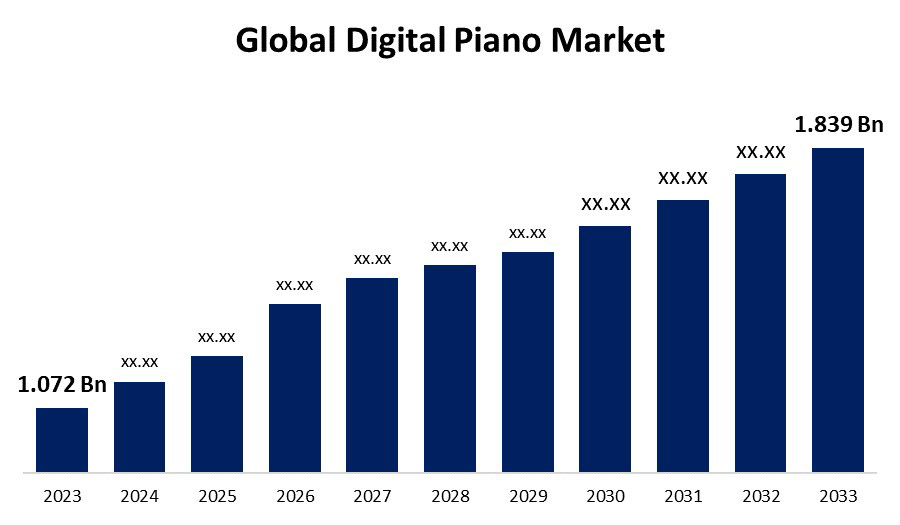
Rise of Digital Alternatives: Affordable, compact, and maintenance-free digital pianos have replaced acoustic instruments for most beginners. Digital pianos allow for headphone use, solving noise issues in small apartments, and do not require tuning.
High Costs and Economic Pressure: Acoustic pianos are expensive luxury items. Economic pressures, particularly among Millennials and in the Chinese market, make it difficult for families to justify the high cost of purchase, maintenance, and lessons.
Space and Lifestyle Changes: As people increasingly live in smaller homes or apartments, the large, heavy footprint of an acoustic piano makes it impractical.
"Grandma's Piano" Market Saturation: The used market is flooded with high-quality, pre-1980s pianos that are often difficult to sell, diminishing the demand for new, lower-tier acoustic models.
Shift in Education Policy (China): The Chinese market, which saw a massive boom, has slowed significantly due to the government de-emphasizing piano skills in national exams, reducing the incentive for parents to invest in lessons.
Lack of Maintenance Technicians: In areas with low population there is a growing shortage of skilled piano tuners and technicians, making it harder and more expensive to keep acoustic instruments in playing condition.
Changing Entertainment Habits: The piano, once the centre of home entertainment, has been replaced by, radio, television, and, most recently, interactive digital technology.
Despite the decline in acoustic sales, the broader piano market is adapting through technology, with digital, hybrid, and "smart" pianos growing in popularity.
Rise of Digital Alternatives: Affordable, compact, and maintenance-free digital pianos have replaced acoustic instruments for most beginners. Digital pianos allow for headphone use, solving noise issues in small apartments, and do not require tuning.
High Costs and Economic Pressure: Acoustic pianos are expensive luxury items. Economic pressures, particularly among Millennials and in the Chinese market, make it difficult for families to justify the high cost of purchase, maintenance, and lessons.
Space and Lifestyle Changes: As people increasingly live in smaller homes or apartments, the large, heavy footprint of an acoustic piano makes it impractical.
"Grandma's Piano" Market Saturation: The used market is flooded with high-quality, pre-1980s pianos that are often difficult to sell, diminishing the demand for new, lower-tier acoustic models.
Shift in Education Policy (China): The Chinese market, which saw a massive boom, has slowed significantly due to the government de-emphasizing piano skills in national exams, reducing the incentive for parents to invest in lessons.
Lack of Maintenance Technicians: In areas with low population there is a growing shortage of skilled piano tuners and technicians, making it harder and more expensive to keep acoustic instruments in playing condition.
Changing Entertainment Habits: The piano, once the centre of home entertainment, has been replaced by, radio, television, and, most recently, interactive digital technology.
Despite the decline in acoustic sales, the broader piano market is adapting through technology, with digital, hybrid, and "smart" pianos growing in popularity.
What else has changed?
Since the covid pandemic, young people are much less likely to learn a musical instrument than prior to the pandemic. The extraordinary sharp decline in piano sales world wide is a testament to this trend. But why is this happening?
Research indicates a complex decline in youth music participation post-COVID, driven by structural, financial, and psychological shifts. While some children did pick up instruments during lockdowns, overall engagement has faced significant hurdles.
Key factors include:
Financial Barriers: The cost of tuition and resources is the primary reason for children not starting or giving up music. Since 2020, the percentage of children citing high costs as a barrier rose from 25% to 29%.
Curriculum Erosion: Many schools reduced or entirely erased music from their curricula during the pandemic. In the UK, nearly one in ten schools stopped teaching music altogether, and extra-curricular lessons were halted in over half of secondary schools.
Loss of Social Connection: For many young people, music is a social activity. The suspension of "live" music-making, such as school orchestras, choirs, and bands, decimated the collaborative culture that motivates students.
Pedagogical "Funnelling": Distance learning forced teachers into a "transmission-only" mode, where active music-making was often replaced by worksheets or listening tasks. This "unmusical" teaching reduced the creative joy that typically attracts young learners.
Mental Health and Motivation: The pandemic caused widespread anxiety and a loss of "personal drive" among young people. Many struggled to maintain the disciplined routine required for an instrument without the encouragement of in-person peer and teacher relationships.
Infrastructural Limits: Students who relied on school-owned instruments were often locked out of facilities, preventing them from practicing or continuing their studies.